Hunting Fishing Deer Bass Tumbler Wrap Graphics Review
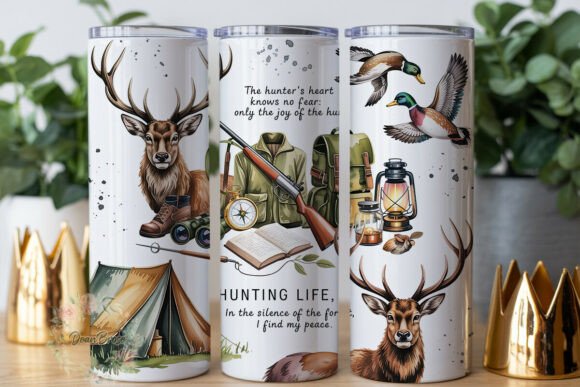
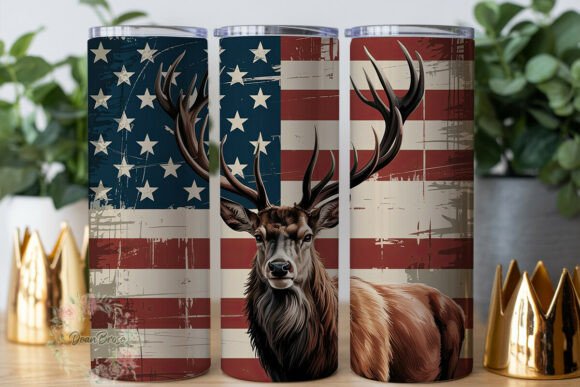
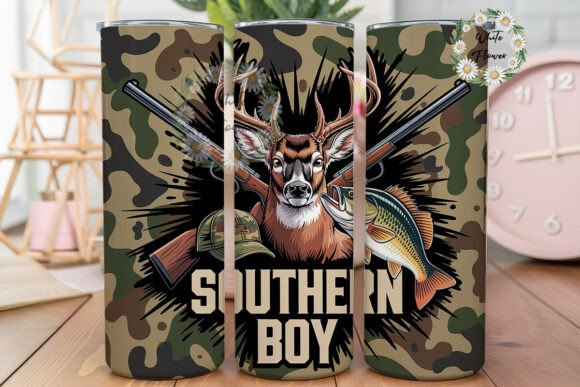
When a new graphic design asset lands on my desk, the first thing I look for is whether it brings something authentic to the table. The Hunting Fishing Deer Bass Tumbler Wrap does exactly that. This design asset delivers a rugged, outdoorsy aesthetic that feels rooted in woodland tradition rather than generic clipart. The composition leans heavily on natural motifs: antlered deer silhouettes, bass leaping from water, and subtle hunting and fishing iconography woven into a cohesive layout. It evokes early morning on a lake, quiet treestands, and the kind of visual storytelling that resonates with customers who live for the outdoors. As a designer, I immediately see potential here for brands that want to communicate grit, patience, and a connection to the wild. The color palette and linework suggest a handcrafted feel, which makes this asset suitable for everything from a handmade business selling custom tumblers to a small business branding a line of outdoor gear. The mood is grounded, masculine without being aggressive, and grounded in a lifestyle that many consumers actively seek out.
Real Project Fit: Branding a Local Outfitter’s Product Line
Let me paint a realistic scenario. A local outfitter wants to launch a limited-edition line of insulated drinkware for their fall catalog. They need a visual identity that ties together their love for deer hunting, bass fishing, and the shared community around both. The Hunting Fishing Deer Bass Tumbler Wrap becomes the centerpiece of that visual direction. I can see it applied directly to the tumbler product itself, but also extended into packaging design, hang tags, social media graphics, and even a small run of sticker design for customer giveaways. The asset is not merely decorative; it carries narrative weight. It tells the customer that this brand understands their passion. Using this asset, I can build a visual system that feels cohesive across product mockups, marketing visuals, and even web design elements like hero banners. The client does not want something sterile or corporate. They want something that feels like it was pulled from a campfire story. This design asset delivers that emotional hook without requiring extensive reworking. The straight and tapered files included allow me to adapt the wrap for both cylindrical and slightly conical tumblers, which saves hours of manual distortion work in my image editing software.
Performance Across Common Design Applications
As a graphic design asset, this piece holds up well in a variety of contexts. In logo design or brand identity work, the central deer and bass imagery can inspire custom logomarks or secondary badges. When used in product labels or packaging design, the wrap’s layout provides enough negative space to layer in product names, taglines, or ingredient lists without feeling cramped. For t-shirt design or merchandise, the motifs scale nicely onto fabric mockups, especially when paired with a serif font or a rugged handwritten font. I tested it on a Canva template for an Instagram carousel promoting a fishing tournament, and the asset gave the post an instant editorial feel. It also works well in editorial design for outdoor magazines or blogs, where the illustration can anchor a feature spread. The resolution is clean at 300 DPI, meaning print quality remains sharp even when the design is used on larger format items like posters or banners. For Cricut projects and sublimation design, the asset’s clear outlines and defined shapes make it easy to cut, weed, and transfer onto mugs, tumblers, and tote bags. Designers working in print-on-demand will appreciate that the file handles repeated production runs without degradation.
Where the Asset Shines Brightest
After testing the Hunting Fishing Deer Bass Tumbler Wrap in multiple layouts, I found it performs best when given visual breathing room. Large layout areas such as hero graphics on a product page, full-wrap tumbler mockups, and prominent sections in marketing visuals allow the illustration to breathe and the details to land. The asset is a natural fit for themed collections: a fall hunting series, a spring bass tournament campaign, or a holiday gift guide for outdoorsmen. It also excels as a decorative accent on printable designs like wall art, greeting cards, or event invitations for a hunting lodge or fishing derby. When used as a supporting brand element in packaging design, it adds texture and personality without overwhelming the primary product information. The straight and tapered file options give me flexibility to match the exact tumbler geometry, which is critical for a professional finish. I also found that the asset pairs beautifully with earthy color overlays, allowing me to shift the mood from warm autumn tones to cool lake blues depending on the client’s seasonal needs.
Where to Apply Caution
No design asset is universal, and this one has clear boundaries. The Hunting Fishing Deer Bass Tumbler Wrap should be used carefully in small sizes. Because the illustration includes fine details in the antlers and fish scales, shrinking it down too much can cause those elements to muddy or lose legibility. In crowded layouts where multiple graphics compete for attention, the asset’s organic shapes may clash with geometric or minimalist branding. I would avoid using it in modern design projects that require a very clean visual hierarchy, such as corporate presentations or luxury packaging for a non-outdoor brand. The asset also demands careful attention to contrast. On light backgrounds, the lighter linework can disappear if not tested thoroughly. On dark backgrounds, the design holds up better but still benefits from a contrasting outline or drop shadow to maintain separation. For editorial design in a magazine with a strict grid, the organic nature of the illustration may require extra padding to keep the layout balanced. Designers working with commercial design for a client outside the outdoor niche should think twice before forcing this aesthetic into a mismatch.
Readability, Hierarchy, and Brand Trust
One of the most overlooked aspects of using a graphic design asset is how it affects the overall impression of professionalism. The Hunting Fishing Deer Bass Tumbler Wrap scores well on emotional appeal and audience engagement. It immediately signals to the customer that this product is made for someone who values tradition, patience, and the outdoors. That builds visual trust quickly. However, the designer must manage hierarchy carefully. The asset is visually rich, so any text placed on top of it needs strong contrast and deliberate sizing. I recommend pairing it with a sans serif font for clean readability on product labels, or a display font for a more rugged feel in marketing visuals. When used as a background element, the asset should be either scaled back or placed behind a semi-transparent overlay to keep the visual hierarchy intact. In my tests, the design maintained brand consistency across a series of mockups, which is a strong indicator that it can anchor a full campaign without looking disjointed. For small business branding, this kind of cohesive visual language is invaluable because it elevates the perceived value of the product without requiring a massive design budget.
Practical Designer Notes Before Using This Asset Commercially
Before I give any design asset the green light for a client project, I run it through a checklist that goes beyond surface impressions. Here is what I found with this asset. First, test it in black and white. The Hunting Fishing Deer Bass Tumbler Wrap holds its structure well when desaturated, which means it will work for one-color screen printing or monochrome branding applications. Second, check contrast on both light and dark backgrounds. I recommend placing the design on a mockup of a white tumbler and a black tumbler to see where details hold and where they fade. Third, preview the asset at small and large sizes. The fine antler tips and fish outlines begin to lose clarity below two inches in width, so plan accordingly. Fourth, place it on real product mockups using the straight and tapered files. The straight file works well for standard cylindrical tumblers, while the tapered file is better for cups with a slight flare. Both files are easy to work with in Photoshop or Affinity. Fifth, test print quality. At 300 DPI, the asset prints cleanly, but I always recommend a proof run on the intended substrate, especially for sublimation design where colors can shift. Sixth, review the file format. The PNG transparency is solid, with no rough edges or leftover background pixels. If you are working in SVG design or vector workflows, check whether the file is provided in a vector format for scaling without loss. Seventh, confirm commercial license terms before using it for a client or print-on-demand business. Many assets on creative marketplace platforms have specific restrictions, and it is your responsibility to ensure you are covered. Finally, compare it with font styles. This asset pairs naturally with a script font for a rustic feel, but I found it also works surprisingly well with a clean sans serif font for a modern outdoorsy look. A handwritten font can reinforce the handmade nature of the product, while a display font adds weight to headlines.
Final Verdict for Professional Design Work
The Hunting Fishing Deer Bass Tumbler Wrap is a well-crafted digital product that earns its place in a designer’s asset library. It is not a one-size-fits-all solution, but for the right client, it is a powerful tool that saves hours of custom illustration work. The mood is authentic, the technical specs are professional, and the flexibility between straight and tapered files shows an understanding of real-world production needs. Whether you are building a brand identity for a local outfitter, designing printable design for an Etsy shop, or creating social media graphics for a hunting lodge, this asset gives you a solid visual foundation. As with any commercial design asset, test it thoroughly before committing to a full production run. But once you confirm the fit, this asset can elevate the entire project. It bridges the gap between stock clipart and custom illustration, offering designers a head start on projects that demand authenticity, emotional resonance, and a grounded outdoor aesthetic. For designers working in creative design for handmade business or small business branding, having assets like this in your toolkit means you can deliver professional results faster without sacrificing quality. That is the kind of efficiency that wins repeat clients and builds a reputation for thoughtful, reliable design work.